
12 Essential Japanese Streetwear Brands
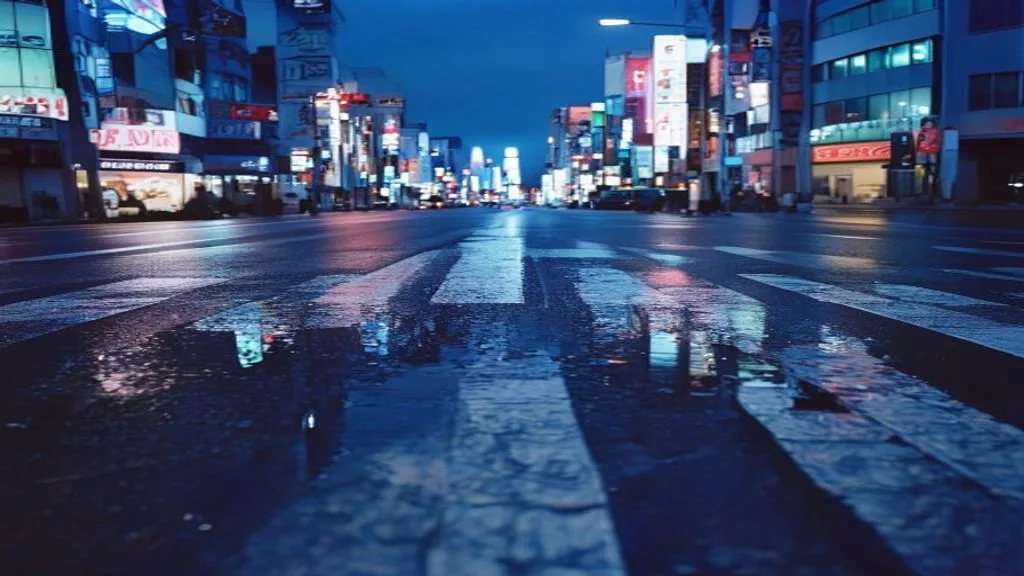
Tokyo's streetwear scene runs deep — from BAPE's 90s neon-camo origins to visvim's archive-deep workwear, these 12 brands define what 'Japanese streetwear' has come to mean globally.
- 01
A Bathing Ape
Japan · 1993A Bathing Ape was founded by NIGO in Tokyo in 1993, when he was 22 and had just returned from working at the Hiroshi Fujiwara orbit's Nowhere store. The name comes from a Japanese idiom meaning 'to live a bathing ape life' — overfed and entitled, a self-aware riff on Japan's bubble-era consumer culture. The brand's first ape-head graphic tee sold from a tiny three-square-meter Harajuku shop called Nowhere; within five years that shop was the epicenter of one of streetwear's most influential moments.
- 02
Comme des Garçons
Japan · 1969Rei Kawakubo founded Comme des Garçons in Tokyo in 1969 and presented her first Paris collection in 1981. That debut — a monochrome show of black, asymmetric, deliberately distressed garments — was so opposed to the era's body-conscious glamour that Western critics labeled it 'Hiroshima chic'. Kawakubo was unbothered: she had announced a new grammar for clothing, one built on void, rupture, and the dignity of the unfinished.
- 03
Visvim
Japan · 2000Hiroki Nakamura founded visvim in 2001 after years working in design at Burton Snowboards. The brand's premise is unusual at any price point and almost unheard-of at visvim's: trace each garment back to its source materials, work with the artisans who can produce those materials at the highest possible level, and then construct the final piece with a precision that erases the difference between sportswear, workwear, and ceremonial dress.
- 04

WTAPS
Japan · 1996WTAPS was founded in 1996 in Tokyo by Tetsu Nishiyama (commonly known as TET), who had previously been part of the FORTY PERCENT AGAINST RIGHTS (FPAR) crew and the original Ura-Harajuku scene around Hiroshi Fujiwara, Jun Takahashi, and Nigo. The brand's foundational thesis was militarised functionality: take US military uniform archetypes — the M-65, BDU trousers, jungle fatigues, the herringbone twill jacket — and rebuild them as Tokyo casual wear with obsessively-correct Japanese textile work.
- 05
Neighborhood
Japan · 1994NEIGHBORHOOD was founded in 1994 in Tokyo by Shinsuke Takizawa (known as Shin), a Japanese designer who had previously worked at Hysteric Glamour and various Harajuku design studios. The brand was an early collaborator with NIGO's A Bathing Ape and was one of the foundational labels of the 'Ura-Harajuku' (back-streets of Harajuku) movement that produced the modern Japanese streetwear scene alongside BAPE, UNDERCOVER, GOODENOUGH, and Hectic.
- 06
Undercover
Japan · 1990Jun Takahashi founded UNDERCOVER in 1989 with classmate NIGO (later of A Bathing Ape) while still a Bunka Fashion College student. The earliest collections were bootleg punk shirts sold from a Harajuku store called Nowhere; the label's first proper runway show was in Tokyo in 1994, with Takahashi pushing toward a vocabulary that fused British punk, dada-anarchic graphic experimentation, and a darkly romantic Japanese sensibility.
- 07
Kapital
United States · 1985Kapital was founded in 1985 by Toshikiyo Hirata in Kurashiki, Okayama — the Japanese textile city that has produced more denim than anywhere on earth. Hirata had spent the 1970s working in American jeans factories; he came back to Okayama determined to make denim that re-introduced the hand of the craftsperson into a fabric that had become industrial. The label opened as a small workshop producing selvedge denim out of Kojima.
- 08

Sacai
Japan · 1999Chitose Abe founded sacai in Tokyo in 1999, after eight years at Comme des Garçons and Junya Watanabe. The label's first collection — five knit pieces sold to a Tokyo boutique — already contained the kernel that would define the next twenty-five years: hybrid construction, where the front of one garment is grafted onto the back of another. The MA-1 bomber whose back becomes a pleated skirt. The trench coat whose hem opens into a tailored blazer. The Nike LDWaffle (2019) that became one of the most-resold sneakers of the late 2010s.
- 09
Junya Watanabe
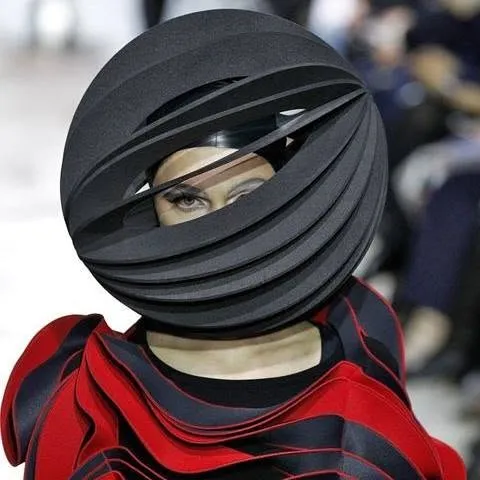
Japan · 1992Junya Watanabe joined Comme des Garçons in 1984 as a patternmaker fresh out of Bunka Fashion College, became chief designer for the Tricot CdG line in 1987, and in 1992 was given his own runway slot within the COMME federation under Rei Kawakubo. The brief was essentially unbounded: take Kawakubo's avant-garde grammar and push it through your own concerns.
- 10

F.C. Real Bristol
Japan · 1999F.C. Real Bristol (often F.C.R.B.) was founded in 1999 in Tokyo by Hirofumi Kiyonaga as a side project of his SOPH. brand — built around the visual language of a fictional Japanese football club, with kit, training gear, supporter merchandise, and a continuous run of FC Real Bristol-branded products that read as artefacts of an imaginary club's domestic season. The brand's foundational thesis was specific: produce streetwear that engaged with Japanese football culture (J-League, the 2002 World Cup, the Japanese national team's design vocabulary) while remaining unmistakably Tokyo streetwear.
- 11

Human Made
Japan · 2010Human Made was founded in 2010 by NIGO in Tokyo as the next chapter after he stepped back from A Bathing Ape (founded 1993, sold 2011 to I.T Group). Where Bape had been provocative, hype-driven, and tightly bound to early-2000s Harajuku, Human Made is a different practice — patient, archive-rich, rooted in NIGO's deep love of American vintage workwear, military surplus, and graphic Americana from the 1940s–60s.
