
The Skate-Brand Canon
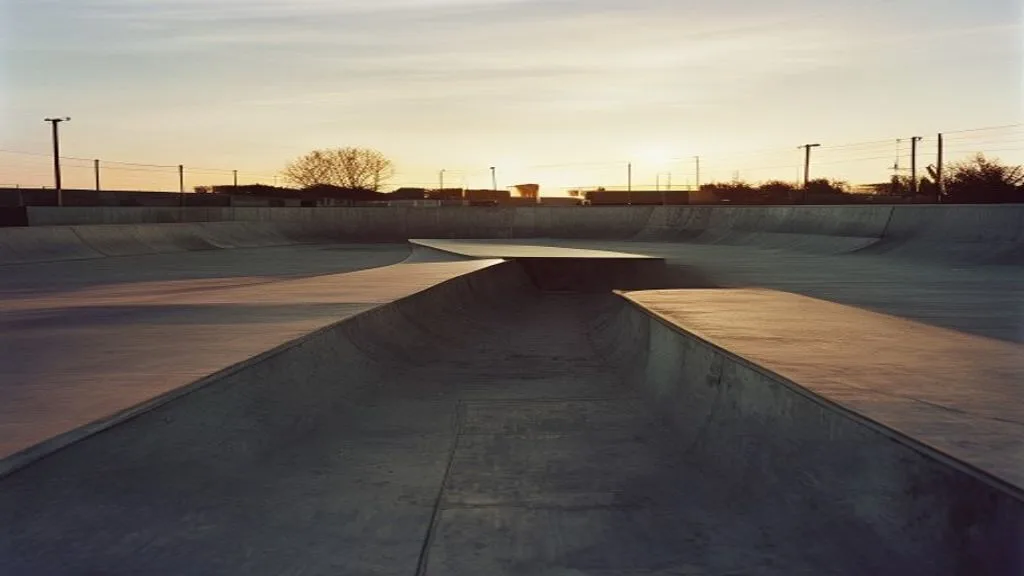
From SoCal mini-ramps to London estates, skate culture's apparel arm has shaped streetwear's vocabulary for thirty years. These are the labels whose graphic tees, logo hoodies, and decks built the canon.
- 01
Supreme
United States · 1994Supreme was founded by James Jebbia in April 1994 on Lafayette Street in downtown Manhattan, conceived as a clubhouse-meets-store for the city's hardcore skate scene. The original space — with its central open floor, low racks against the walls, and a security mirror that doubled as a fish-eye view of the room — was designed so skaters could roll in on boards without losing momentum. The original team included Mike Hernandez, Justin Pierce, Harold Hunter, and Gio Estevez. Within a year, the white-on-red Box Logo (lifted in spirit from Barbara Kruger's agitprop typography) had become a uniform.
- 02

Palace
United Kingdom · 2009Palace Skateboards was founded in London in 2009 by Lev Tanju, who began silk-screening team graphics for his crew of South Bank skaters from a Camden squat. The brand grew out of skating's purest place — actually skating, on an actual public plaza, with actual friends — and channeled that authenticity into a uniquely British editorial voice: dry, self-mocking, occasionally vulgar, never trying too hard.
- 03
Stüssy
United States · 1980Stüssy is a foundational text of global streetwear. The label began in 1980 when Shawn Stüssy, a surfboard shaper in Laguna Beach, started silk-screening his looping signature onto blank tees to sell alongside his boards. By the mid-1980s those tees had escaped Southern California; New York stylist Paul Mittleman, photographer James Lebon, and skate-shop owner Eddie Cruz seeded what would become the International Stüssy Tribe — a loose collective of musicians, designers, and gallery owners who put the brand into the cultural bloodstream of London, Tokyo, Paris and beyond.
- 04
Polar Skate Co.
Sweden · 2011Polar Skate Co. was founded in 2011 in Malmö, Sweden by Pontus Alv, a Swedish professional skateboarder and filmmaker who had previously co-founded the Strongest of the Strange skate magazine. The brand emerged from Alv's two-decade Swedish skateboarding ecosystem and his belief that European skate culture deserved a brand engineered by its own community rather than imported from the American west coast.
- 05
Carhartt WIP
Germany · 1989Carhartt was founded in Detroit in 1889 by Hamilton Carhartt to make workwear for the men building America's railroads — duck canvas overalls, blanket-lined chore coats, brown duck vests. For a century it remained a quiet American workwear company. The European story is different. In 1989 the Salzgeber family in Switzerland acquired the rights to distribute Carhartt in Europe and gradually built a separate brand, Carhartt Work In Progress, that filtered the parent's product canon through skate, graffiti, hip-hop, and electronic music sensibilities.
- 06
Pop Trading Company
United States · 2013Pop Trading Company was founded in 2010 in Amsterdam by Ric van Rest and Peter Kolks as a skate-and-streetwear brand and skateboard-deck company specifically focused on what they described as 'a deliberately European-anchored alternative to the LA-and-NY skate-industry hegemony.' The brand's foundational thesis was specific: produce skate-anchored streetwear that drew explicitly on European skate culture (the Dutch, German, French, and Scandinavian skate scenes of the 1990s-2010s), rebuilt at the contemporary luxury-streetwear level rather than the polished-mass-skate-brand format.
- 07
Anti Social Social Club
United States · 2015Anti Social Social Club was founded in 2015 in Los Angeles by Andrew 'Neek' Lurk, then a young marketing manager at Lyft. The brand began as essentially a joke — a few branded t-shirts and a meme-friendly logo (the 'ASSC' text on a baby pink background) that Lurk produced from his apartment for friends. Within months the brand exploded across Instagram, became one of the most-replicated logos in streetwear, and earned the kind of cultural footprint that took twenty years for older streetwear brands to build.
- 08

Bronze 56K
United States · 2012Bronze 56K was founded in 2010 in New York by Peter Sidlauskas as a skate-and-streetwear-anchored brand specifically focused on what Sidlauskas described as 'a deliberately-90s-NYC-skate-and-graffiti-aesthetic visual culture rebuilt as contemporary streetwear.' The brand has been one of the defining post-2010 NYC-anchored 'authentic-90s-skate-revival' brands, with the iconic Bronze 56K typography logo and the brand's deliberately-DIY visual culture anchoring the broader brand position.
- 09

Fucking Awesome
United States · 2001Fucking Awesome (often FA) was founded in 2007 in Los Angeles by Jason Dill and Anthony Van Engelen, two former Alien Workshop skateboarders who left to build their own skate-anchored streetwear brand and skateboard-deck company. The brand's foundational thesis was specific: produce skate-board graphics and apparel that read as anti-corporate, deliberately provocative, image-saturated artefacts of West Coast skate culture, with deliberate refusal of the polished-brand-marketing approach of the larger US skate brands.
- 10

Dime
Canada · 2005Dime was founded in 2014 in Montreal by Phil Lavoie, Vincent Tsang, Antoine Asselin, and several other skater-friends, as a skate-anchored streetwear brand and a board-distribution company built around the Montreal skate scene that had been gathering since the early 2000s. The brand's foundational thesis was specific: produce skate-grounded, deliberately ironic, French-and-English bilingual streetwear that read as the heir to the Palace-and-Polar generation of skate brands without copying their visual vocabulary.